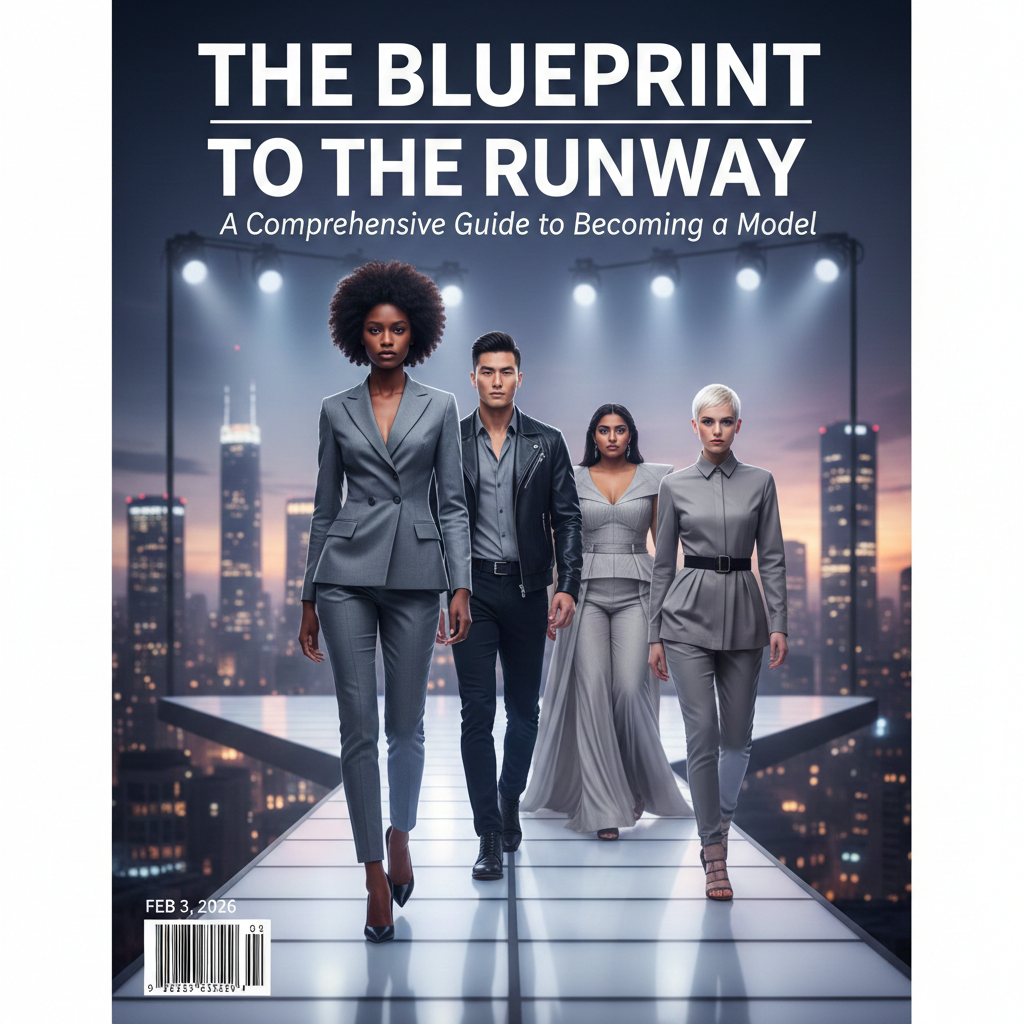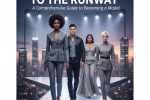





The modeling industry is often perceived as a whirlwind of designer clothes, flashing lights, and international travel. While those elements certainly exist, the reality of “making it” is built on a foundation of business acumen, resilience, and a deep understanding of your own unique brand. Whether you dream of walking the high-fashion runways of Milan or appearing in commercial campaigns for global tech brands, the path to success is rarely accidental.
Phase 1: Identifying Your Niche
Before you take a single photo, you must understand where you fit in the diverse landscape of the industry. Modeling is no longer a “one size fits all” profession.
- Fashion (Editorial/High Fashion): This is the most traditional category. It typically requires specific height requirements (usually 5’9” to 6’0” for women and 6’0” to 6’3” for men) and a lean build. These models work for luxury brands and high-end magazines.
- Commercial Modeling: This is the broadest category. Commercial models appear in advertisements for everything from toothpaste to cars. Diversity in age, height, and body type is highly valued here.
- Fitness and Parts Modeling: If you have an athletic physique or specific “perfect” features (like hands, feet, or hair), these specialized niches can be incredibly lucrative.
- Plus-Size and Petite: The industry has expanded significantly to represent more realistic body types, creating space for models who don’t fit the traditional editorial measurements but possess the “it” factor.
Phase 2: Building Your Toolkit
You don’t need a professional portfolio immediately, but you do need “digitals.” These are simple, unedited photos that show agencies your natural look.
The “Digitals” Checklist:
- Wear Minimal Makeup: Agencies want to see your bone structure and skin.
- Simple Clothing: A plain white t-shirt and form-fitting jeans or a simple swimsuit are standard.
- Natural Lighting: Shoot outdoors or near a large window.
- The Angles: You need a clear headshot (smiling and serious), a profile shot, and a full-body shot.
Once you have your digitals, you can begin building a portfolio (or “book”). As you start working, this will fill with professional “tearsheets” from jobs, but initially, you may want to do “TFP” (Trade for Print) shoots with up-and-coming photographers to practice your posing and gain experience.
Phase 3: The Search for Representation
While it is possible to be an “independent” model, having a reputable agency is the fastest way to access high-paying clients and ensure your safety in the industry.
- Research Agencies: Look for agencies that represent models who look like you. Check their “boards” (the list of models on their website) to see if they have a gap you could fill or if you fit their aesthetic.
- The Submission Process: Most agencies have an online submission form. Follow their instructions to the letter. If they ask for no makeup, do not wear makeup.
- Beware of Scams: A legitimate agency will never ask for money upfront. They make money by taking a commission (usually 20%) from the jobs they book for you. If a company asks for “registration fees” or forces you to use their expensive “in-house photographer,” walk away.
Phase 4: Mastering the Craft
Modeling is more than just “being pretty.” It is a physical performance.
- Posing: You must learn how to move your body in a way that creates interesting lines and silhouettes. Practice in front of a mirror. Study how light hits your face and how to “smize” (smile with your eyes).
- The Walk: If you aim for the runway, you must master your walk. It’s not just about walking; it’s about rhythm, posture, and selling the clothes. Each designer may want a different “vibe”—from the fierce “power walk” to a more relaxed, natural stride.
- Health and Maintenance: Your body is your business. This doesn’t mean starving yourself; it means maintaining healthy skin, hair, and nails, and staying physically fit enough to handle 12-hour shoot days.
Phase 5: The Business of You
Treat your modeling career like a startup. You are the CEO, the product, and the marketing department.
- Social Media: In the modern era, Instagram and TikTok are your secondary portfolios. Many casting directors look at a model’s social media presence to see their personality and engagement levels. Keep it professional but authentic.
- Networking: Every person you meet on a set—from the makeup artist to the lighting assistant—is a potential lead for your next job. Being easy to work with is often more important than being the most beautiful person in the room.
- Resilience: You will hear “no” more than “yes.” Rejection is rarely personal; often, a client is just looking for a specific hair color or a certain “look” for a one-day campaign.
Becoming a model requires a thick skin and a professional mindset. It is a marathon, not a sprint. By identifying your niche, avoiding scams, and constantly refining your posing and walking skills, you position yourself to turn a dream into a sustainable career.