




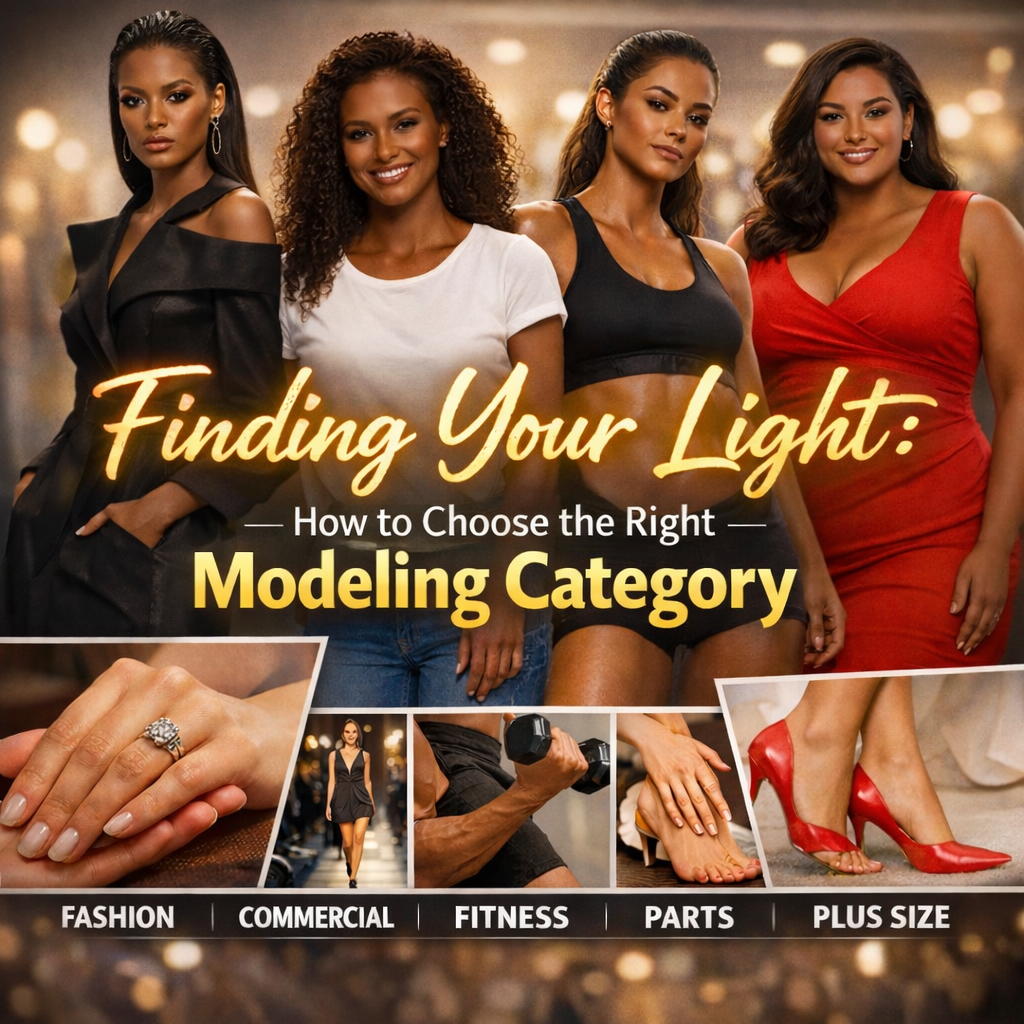
The modeling industry is no longer a one-size-fits-all world. While the “90s Supermodel” era focused on a very specific look, today’s market is diverse, inclusive, and specialized. Whether you’re 5’11” and editorial or 5’2″ with incredible skin, there is likely a niche for you.
Choosing the right category isn’t just about what you want to do; it’s about understanding where your physical attributes and personality align with market demand.
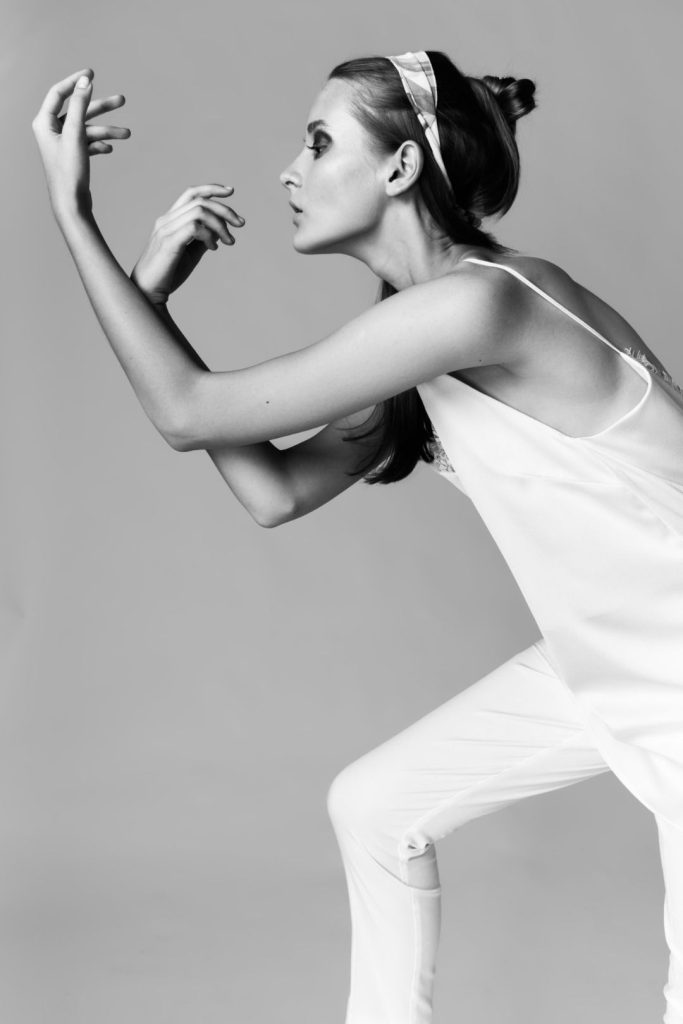
1. Fashion (Editorial) Modeling
This is the high-fashion world you see in Vogue or on the runways of Milan and Paris.
- The Look: High fashion often looks for “unique” or “striking” features rather than traditional beauty.
- Requirements: Strictly height-dependent. Women are typically 175\text{ cm} to 180\text{ cm} (5’9″ to 5’11”), and men are 183\text{ cm} to 190\text{ cm} (6’0″ to 6’3″).
- The Vibe: Art over commercialism. You need to be a “chameleon” who can pull off avant-garde clothing and intense expressions.
2. Commercial Modeling
Commercial models are the “relatable” faces you see in pharmaceutical ads, tech brochures, or lifestyle campaigns.
- The Look: Friendly, approachable, and “the girl/boy next door.”
- Requirements: Much more flexible than fashion. There are no strict height or weight requirements, but a great smile and the ability to act/emote are essential.
- The Vibe: You are selling a product or a lifestyle to the general public.
3. Fitness Modeling
If you spend more time at the gym than at home, this might be your lane.
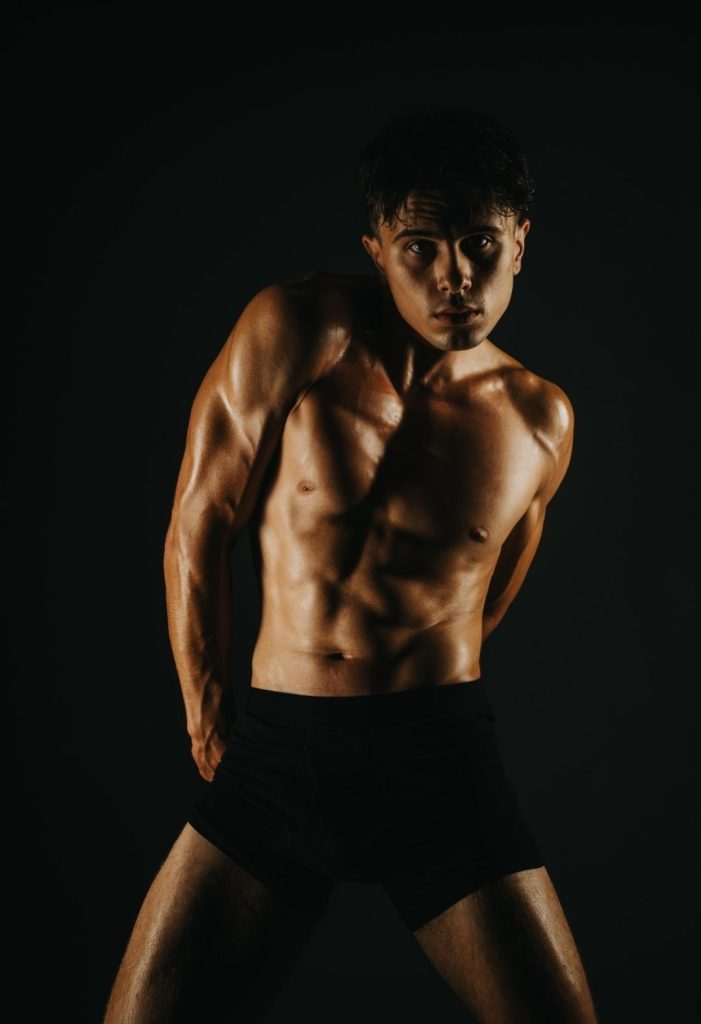
- The Look: Defined muscle tone, athletic build, and a healthy glow. It’s less about being a bodybuilder and more about looking “fit.”
- Requirements: You must be able to perform athletic movements (running, lifting, yoga) convincingly for the camera.
- The Vibe: High energy, discipline, and stamina.
4. Parts Modeling
Sometimes, your best feature isn’t your face. Parts models specialize in specific body parts.
- The Categories: Hands, feet, legs, or even hair.
- Requirements: Flawless skin, no scars or tattoos on the specific area, and steady “acting” (e.g., holding a jewelry box perfectly still for 30 minutes).
- The Vibe: Highly technical and requires extreme patience.
5. Plus-Size and Curve Modeling
The industry has made massive strides in representing realistic body types.
- The Look: Proportional and toned, usually starting at a US size 8/10 and up.
- Requirements: Confidence and great skin. Height requirements still apply for high-fashion curve modeling, but are more relaxed for commercial work.
How to Decide?
Ask yourself these three questions to narrow it down:
- What are my measurements? Be honest. If you are 5’4″, editorial runway is a tough hill to climb, but you could be a superstar in petite commercial modeling.
- What is my “brand”? Do people tell you that you look like a movie star (Commercial) or an alien from a beautiful planet (Editorial)?
- What is my lifestyle? Fitness modeling requires a strict training regimen; commercial modeling requires a flexible schedule for frequent auditions.
Pro Tip: Look at the models currently working for brands you love. If you see yourself in their “look,” that’s the category you should target for your portfolio.